PSA opens Frankfurt: getting your cards graded from Belgium, without going through customs
Since 15 September, any collector in the European Union can send cards to PSA's new European centre. What changes, what does not, and how to go about it.
Cipango Club · · 3 min read
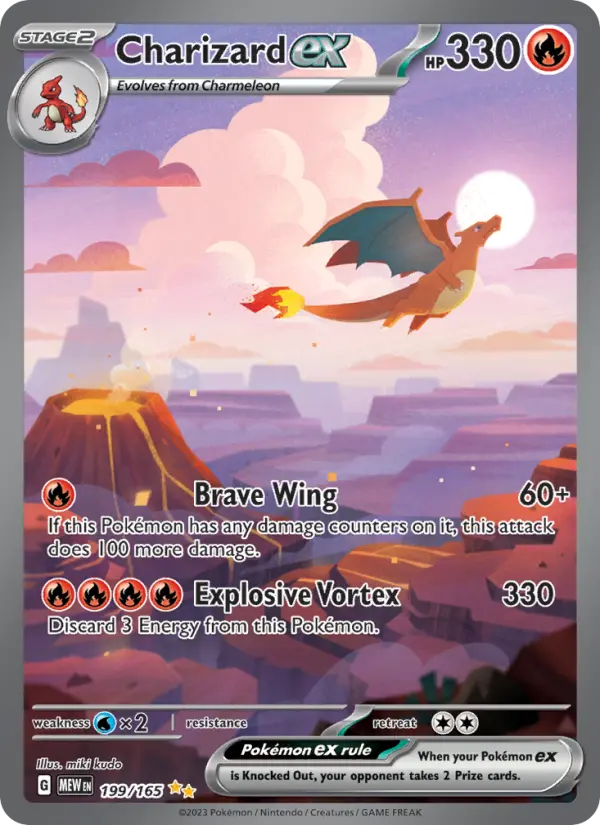
PSA, the most closely followed grading company on the Pokémon card market, has been accepting submissions from every collector in the European Union at its Frankfurt centre since 15 September 2026. Until now, a Belgian collector who wanted a PSA grade sent their cards to the United States, either directly or through an intermediary, and got them back after they had gone through customs.
What was announced
In June 2026, PSA announced a 200 million dollar investment in its European operations, with around a hundred hires planned in Frankfurt. Over the summer, the centre first worked with authorised dealers and partners, then opened to every collector in the EU on 15 September at 00:01 Central European Time.
The service levels are the same as in the rest of the world. PSA also revised its price list the day before the opening:
| Service | Price (USD) | Stated turnaround | Max. declared value |
|---|---|---|---|
| Standard (new) | $59.99 | 90 to 100 working days | $1,000 |
| Priority | $79.99 | 70 to 80 working days | $1,500 |
| Express | $199 | 20 to 30 working days | $2,500 |
| Premier | $599 | 7 to 10 working days | $10,000 |
The cheapest “Value” tiers remain suspended: PSA says it wants to reopen them in stages, depending on demand. The euro prices charged by the Frankfurt centre are shown when you submit; they may differ from a straight conversion from the dollar. Check them on PSA’s website before sending anything.
What changes for a Belgian collector
No more customs clearance on the way back. The cards travel within the European Union. When a graded card came back from the United States, it was an import: import VAT calculated on the declared value, the carrier’s handling fee, and sometimes several days held at customs. For a card declared at €1,000, Belgian VAT alone could reach €210.
Simpler shipping. A parcel to Germany costs less and spends less time in transit than a parcel to California, and it can be tracked from end to end with a European carrier.
What does not change. The price of the grading service itself, the stated turnaround times (which are not commitments) and the shipping and insurance costs, to be added in both directions. VAT is still due on the invoiced service; what disappears is the import VAT on the value of the cards themselves.
How to send your cards
- Create a free account on PSA’s website (Collectors).
- Prepare the submission online: chosen service, cards, declared value of each one.
- Print the submission form and follow PSA Europe’s shipping guide for the exact address and packaging: each card in a soft sleeve, then in a semi-rigid card holder.
- Send it by registered mail, insured up to the declared value.
Declare a realistic value: it determines which service level you are allowed to use and the compensation in case of loss. If, once graded, the card is worth more than the cap of the chosen service, PSA charges a supplement.
Should you grade?
Not systematically. A grading costs at least around sixty euros per card, shipping not included, for a result you cannot know in advance: a card pulled from a booster will not necessarily get a 10. It makes sense for a sought-after card in excellent condition, or for a card you want to protect and authenticate before reselling it. For a common card, the grade often does not cover its own cost.
The glossary details the criteria a grader examines (centring, corners, edges, surface) and the differences between PSA, CGC and Beckett.
Sources
- PSA, “New Standard service level”, 9 September 2026: psacard.com
- PSA, opening to authorised dealers: psacard.com
- Sports Illustrated Collectibles, 11 June and 9 September 2026: si.com